
Fire, police and ambulance crews have carried out a final emergency exercise in City Rail Link’s tunnels ahead of its opening on 13 September.
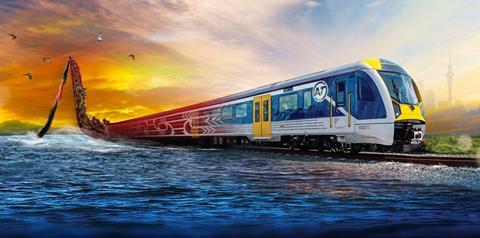
Fire and Emergency New Zealand, New Zealand Police and Hato Hone St John are carrying out one final multi-agency emergency exercise in the City Rail Link’s underground stations and tunnels this week, ahead of the line opening to passengers on 13 September. The exercise will see emergency services work alongside train and station staff to simulate a fire on a train near Te Waihorotiu Station.
While not a formal requirement, organisers say the drill offers a further opportunity for emergency responders to work together and strengthen preparedness in the new underground environment before services begin. Hato Hone St John Area Operations Manager Kim Moser said the exercises help ensure emergency services are well prepared to respond safely if needed once the CRL opens, adding that the testing had given ambulance personnel a chance to build familiarity with the underground environment and practise coordinated responses alongside partners.
Building on a wider testing programme
The exercise follows an extensive emergency testing programme completed last month, which involved more than 1,400 volunteer passengers and tested responses to a range of scenarios including train derailments, station fires and mass evacuations. Around 200 personnel and more than 50 emergency service vehicles took part across the programme, with 15 live exercises carried out in total, ranging from smaller drills to large-scale scenarios involving more than 300 participants at a time. Scenarios covered station fires, train failures in tunnels, derailments, onboard medical incidents and complex evacuations across multiple stations, with participants often given little or no advance detail so that real-time responses could be observed and assessed.
Volunteer passengers reflected the diversity of Auckland’s daily commuters, including older people, those with health conditions, people with limited English, and those with hearing, visual or mobility needs. More than 75 actors were also used to simulate situations that could not otherwise be replicated.
Testing also examined the systems supporting frontline responders, including ventilation and smoke extraction, alarms, communications, CCTV, lighting and control room operations. KiwiRail leads and coordinates emergency response to incidents in the CRL tunnels through its Auckland Rail Operations Centre, while Auckland One Rail responds to unplanned events on trains and in CRL stations, supported by emergency services when required.
Auckland Transport General Manager Rail Services, Mark Lambert, said: “The City Rail Link is unlike anything else in New Zealand’s rail network, so it has been vital for everyone involved to practise how we would respond in a range of different situations. The strong collaboration between emergency services and our rail partners has helped build confidence that Aucklanders will be well supported should an incident ever occur.”
City Rail Link Ltd Chief Executive Patrick Brockie said the underground environment, with tunnels more than 40 metres below ground in places, presented unique challenges around access, evacuation and communication requiring specialist planning. Fire and Emergency New Zealand has continued site visits and additional training in the weeks before opening, with Region Manager Ron Devlin noting that crews have been stationed outside stations to familiarise themselves with the new environment ahead of the line entering service.




No comments yet