

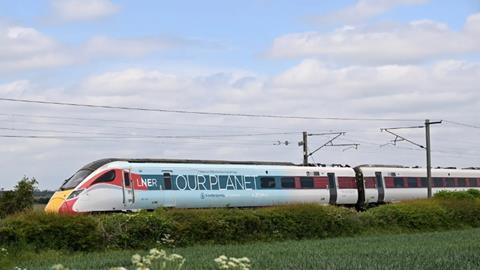
LNER has reported a nine per cent reduction in carbon emissions over the past year, demonstrating that passenger growth and rail decarbonisation can be achieved simultaneously.
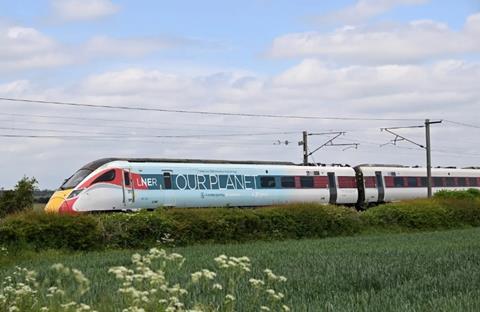
LNER has reduced its carbon emissions by nine per cent over the past year while carrying more than 25 million passengers across its route between London King’s Cross and the Scottish Highlands.
The figures show the operator has continued to lower its environmental impact despite increasing the number of services running on the East Coast Main Line. During December 2025, LNER introduced more than 10,000 additional services annually, creating an extra 60,000 seats each week to meet growing passenger demand.
According to LNER, emissions have fallen because 96% of train mileage is now operated using electric overhead lines. The company has also invested in decarbonisation initiatives across its stations, offices and operational facilities, including the installation of heat pumps and solar panels, while benefiting from the wider decarbonisation of the UK’s electricity network.
Progress towards net zero
The latest figures support LNER’s ambition to achieve net zero carbon emissions by 2045, five years ahead of the UK’s national target. The operator says reducing emissions while expanding services demonstrates that rail can continue to provide one of the most sustainable forms of long-distance transport.
LNER also highlighted new independent research commissioned by Rail Delivery Group, which found rail travel produces 85% less carbon emissions than equivalent domestic flights. The study also concluded passengers can save an average of £147 per journey and gain around three additional hours of productive time by choosing rail over air travel.
Stuart Thomas, Chair of the LNER Responsible Business Steering Group, said: “It’s evidence that we can deliver more journeys for our customers while staying firmly focused on our journey to net zero.”
The operator said the latest results demonstrate how continued investment in electrification and low-carbon technologies can help support passenger growth while reducing the environmental impact of Britain’s railway.
Full data and the report can be found here.







No comments yet