
Drone exercises near Doncaster form part of Network Rail East Coast’s evaluation of aerial imagery, which could help engineers decide where closer inspection is needed and whether services can run. The East Midlands route has already reported savings of around £100,000 from drone use.
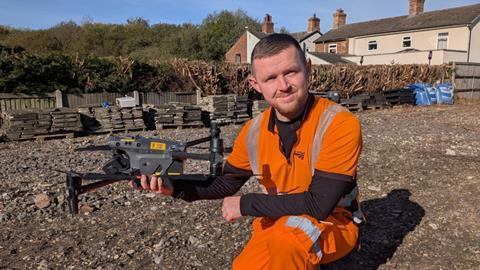
Network Rail is evaluating how drones could help teams respond more quickly and safely to flooding, storms and other weather-related incidents on the East Coast Main Line.
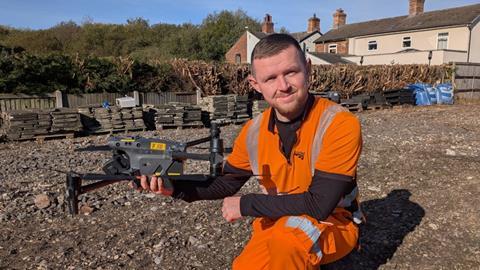
Drone flight exercises near Doncaster are demonstrating how aerial imagery can give engineers an early view of railway infrastructure and help identify areas in need of closer inspection. The exercises form part of Network Rail East Coast’s evaluation of the technology and its potential uses.
Extreme weather is putting pressure on the network
Network Rail said extreme weather presents a serious challenge for the railway. Summer 2026 was the UK’s hottest on record, while the winter half-year, from October to March, was 3% wetter in the decade from 2016 to 2025 than in 1991 to 2020, and 13% wetter than in 1961 to 1990.
During extreme weather, some parts of the railway can be difficult or potentially hazardous to reach, which can cause delays and cancellations. Drones can allow teams to gather initial information remotely, helping them understand conditions on the ground and decide where engineers need to inspect more closely.
Network Rail said the technology can provide aerial views following storms and high winds, monitor water levels during flooding and inform decisions about whether train services can operate.
John Grainger, joint head of performance at Network Rail East Coast & LNER, said: “Severe weather can make parts of the railway difficult to reach at times when we most need accurate information to help our teams make the best decisions for our customers and colleagues.”
Drone tests have shown that they can support and complement our expert engineers and more traditional inspection methods, providing an extra pair of eyes during challenging times.”
Savings reported on the East Midlands route
Network Rail is already using drones in other parts of the country. Across a wider range of incidents, including flooding, trespass and lineside fires, the East Midlands route reported savings of approximately £100,000 between September 2025 and March 2026.
Grainger said: “Drone tests have shown that they can support and complement our expert engineers and more traditional inspection methods, providing an extra pair of eyes during challenging times.”
Drones form part of a wider approach to monitoring railway infrastructure on East Coast. This already includes the Pantograph Damage Assessment System, known as PANDAS, and Automated Intelligent Video Review technology, which assess overhead line equipment and track using equipment fitted to LNER trains.





No comments yet