
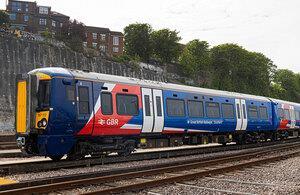
The transfer of Govia Thameslink Railway into public ownership will bring new investment, service improvements and operational reforms across the South East network.
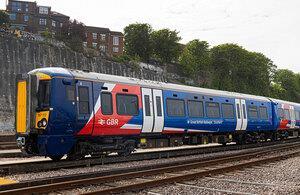
Millions of passengers across the South East and East of England will begin travelling on publicly owned Govia Thameslink Railway services from Sunday 31 May 2026, marking another major step in the Government’s rail reform programme.
Govia Thameslink Railway, which operates Thameslink, Great Northern, Southern and Gatwick Express services, is Britain’s largest train operator and accounts for around one in every six passenger rail journeys nationwide.
The move forms part of the Government’s wider transition towards Great British Railways, bringing train operations and infrastructure closer together under public ownership.
GTR launches passenger improvements under public ownership
Under a new 100 day improvement plan, GTR will introduce a series of operational and passenger experience upgrades aimed at improving reliability, safety and customer service.
One of the most significant changes will see Gatwick Express services between Gatwick Airport and London Victoria station doubled from December 2026, alongside additional early morning services.
The operator is also continuing driver recruitment programmes across Thameslink, Great Northern, Southern and Gatwick Express services to improve train crew availability and reduce cancellations.
Additional initiatives include refurbishment of Thameslink train toilets, recruitment of 110 new Travel Safe Officers and signalling upgrades between Farringdon station and Blackfriars station expected to prevent more than 1,000 cancellations annually.
Passengers will also gain access to improved customer support tools, including disruption assistance through a WhatsApp channel and expanded online payment options.
Heidi Alexander said: “Bringing Britain’s largest train operator into public ownership is a defining moment in our reform of the railway.”
She added that the reforms would focus on reducing cancellations, improving service reliability and rebuilding passenger trust ahead of the creation of Great British Railways.
GTR Chief Operating Officer John Whitehurst said the company had spent the last year preparing for the transition while strengthening operational integration with Network Rail.
Public ownership reforms have already seen improvements across several operators currently managed by DfT Operator Limited, including c2c and Greater Anglia, which continue to record some of the highest punctuality figures in the country.
The transfer of GTR means around 80 per cent of passenger rail journeys expected to fall under Great British Railways will now operate on publicly owned services. Chiltern Railways and Great Western Railway are scheduled to transfer into public ownership later in 2026.


No comments yet