


Stadler and BLT have completed technical modifications to reduce noise emissions across the TINA tram fleet operating in Basel.
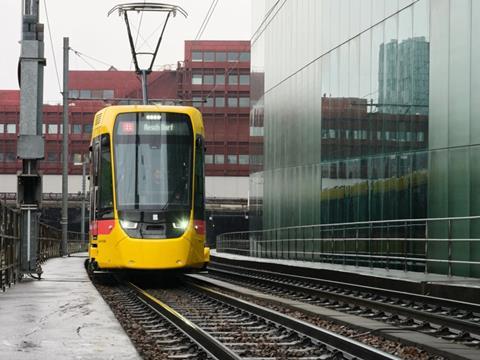
Stadler and BLT Baselland Transport AG have completed a series of technical modifications to reduce noise emissions across the TINA tram fleet operating in the Basel region.
The work follows ongoing collaboration between the manufacturer and operator since the introduction of the low floor TINA trams into service.
Technical modifications reduce tram noise levels
The TINA tram platform features Stadler’s Totally Integrated Low Floor Drive design, aimed at improving accessibility, passenger comfort and level boarding capabilities.
However, the operation of modern tram vehicles within historically developed urban networks featuring tight curves, switches and varying infrastructure conditions created challenges linked to noise and vibration emissions.
According to Stadler and BLT, extensive technical upgrades have now significantly improved operating performance.
The modifications included additional damping elements, optimised wheel profiles, improvements to magnetic track brakes and changes to body panel components.
Measurements showed that primary noise levels were reduced by 3.7 decibels, equivalent to a perceived halving of noise levels. The revised performance is now comparable to BLT’s previous Tango tram fleet.
The full TINA fleet operating with BLT was retrofitted with the modifications by the end of 2025.
Phillipp Glogg said: “We have achieved our noise reduction targets.”
He added that the next phase of collaboration would focus on vibration reduction measures.
Future testing will include the installation of new rubber sprung wheels on one TINA tram vehicle. The upgraded wheel system is designed to improve damping performance between wheel and rail interaction.
Regular monitoring and measurements across the city network will evaluate the effectiveness of the changes, with testing expected to begin during July 2026.
Ansgar Brockmeyer said: “The fact that the TINA trams are now significantly quieter shows that we are on the right track.”
If the new wheel technology delivers the expected results, future TINA trams will receive the upgraded components directly during production while existing vehicles will be gradually retrofitted.
The TINA platform is currently operating in several European cities including Basel, Darmstadt, Rostock, Halle, Gera, Zwickau and The Hague.





No comments yet