
The European Union Agency for Railways has approved the TGV-M fleet for operation following extensive testing across the French rail network.
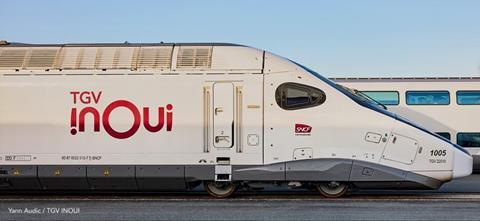
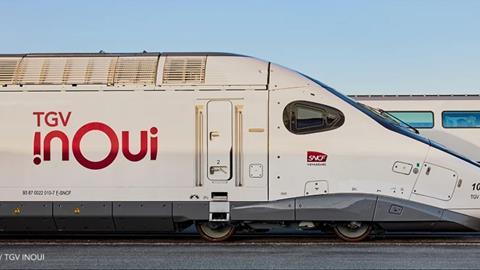
Alstom and SNCF Voyageurs have received marketing authorisation from the European Union Agency for Railways (ERA) for the new TGV-M high-speed fleet, clearing the way for passenger operations to begin later this year.
The approval confirms the train’s compliance with European safety and interoperability standards following a testing and certification programme that has been underway since 2023.
The two companies submitted the final application dossier to the ERA in December 2025 after completing nearly one million kilometres of testing.
TGV-M fleet prepares for passenger launch in France
Deliveries of the new fleet will begin gradually during summer 2026, with two trainsets expected to enter service preparation from June, increasing to six trains by August and 13 by the end of the year.
Before welcoming passengers, SNCF Voyageurs and Alstom will undertake a pre-commercial testing phase across the French rail network to finalise operational adjustments and support staff familiarisation with the new trains.
Passenger services using the new TGV INOUI branded fleet are scheduled to begin in September 2026.
Martin Sion said: “Obtaining marketing authorisation from the ERA is a significant achievement. It reflects the quality of the application and the commitment of the teams involved since the testing phase.”
Christophe Fanichet described the approval as the culmination of a long-term industrial project and said the company was strengthening the commissioning process to ensure a successful passenger introduction.
The TGV-M programme represents the next generation of French high-speed rail and has been developed through an innovation partnership between SNCF Voyageurs and Alstom.
The fleet introduces several major operational and sustainability improvements, including a 20 per cent increase in passenger capacity, 20 per cent lower energy consumption and 30 per cent lower maintenance costs.
The trains are built using 97 per cent recyclable materials and feature fully connected onboard systems designed to support future technological upgrades.
A total of 160 trains have been ordered, including 130 for SNCF Voyageurs and 30 for Eurostar, with additional options available.
More than 4,000 people contributed to the programme, while over 400 innovation patents were filed during development of the fleet.
The TGV-M trains are expected to play a major role in supporting the continued growth of high-speed rail travel across France and Europe over the coming decades.




No comments yet