
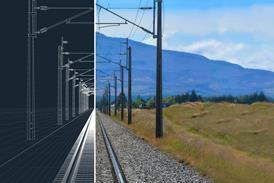

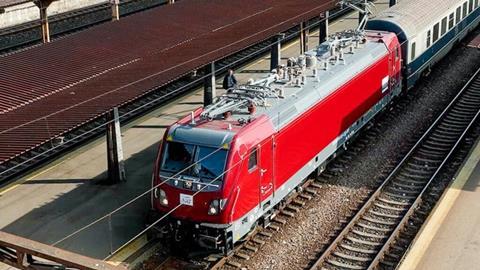
The service pairs Alstom’s Traxx Passenger locomotives with ETCS Level 2 infrastructure, marking a step in Romania’s rail modernisation and its alignment with the wider European network.
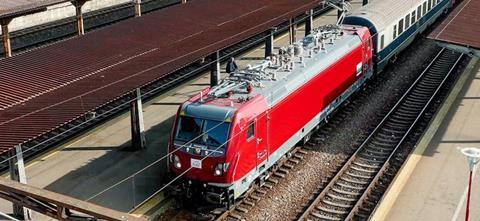
Alstom has launched Romania’s first passenger service to operate under the European Train Control System (ETCS) Level 2, combining its ETCS-equipped Traxx Passenger electric locomotive with ETCS Level 2 trackside infrastructure.
The ETCS Level 2 traffic management system is active between Buftea and Brazi on the Bucharest to Budapest line. It is the first time in Romania that train and signalling technologies have operated together under ETCS Level 2 in commercial passenger service, according to Alstom.
Traxx locomotives in service
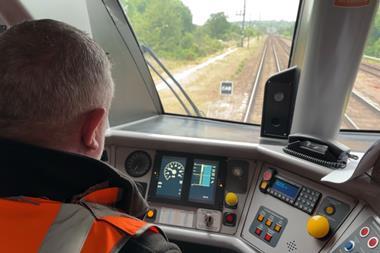
The service is operated using Traxx Passenger locomotives delivered to the Romanian Railway Reform Authority (ARF) under a contract for 16 units. The locomotives are equipped with Alstom’s Onvia Cab onboard signalling solution. They entered passenger service in September 2026 using conventional signalling systems before beginning operation under ETCS Level 2.
All 16 locomotives have been delivered to Romania, and the fleet is being progressively introduced into service across the country. The Traxx Passenger is part of Alstom’s Traxx platform, with more than 6,000 units sold worldwide in the 21st century.
Laurentiu Ivan, Alstom Managing Director for Romania, Bulgaria and the Republic of Moldova, said: “Using ETCS signalling system in Romania represents a fundamental step in making railways safer and more interoperable. Bringing together an ETCS-equipped Traxx Passenger locomotive and ETCS Level 2 infrastructure in commercial passenger operation is an important milestone for Romania’s railway modernisation. It shows how investment in both modern trains and digital infrastructure can work together to deliver a safer, more connected European railway for passengers.”
Using ETCS signalling system in Romania represents a fundamental step in making railways safer and more interoperable.”
What ETCS does
ETCS is a common European standard designed to make rail travel safer and more interoperable. The system continuously supervises a train’s movement against permitted operating conditions and can automatically apply the brakes when necessary. By replacing different national train-control approaches with a harmonised European system, it also enables trains to operate more seamlessly across networks and borders.
Wider signalling work in Romania
Alstom installed Romania’s first ETCS Level 2 signalling system on a rehabilitated conventional railway line, on the Border–Curtici–Arad–Km. 614 section. It delivered the country’s first modern, fully automated traffic management centre in Arad, with centres in Simeria, Brasov, Cluj-Napoca, Bucharest and Craiova to follow.
Its portfolio includes ETCS Level 2 projects on the Northern branch of the Rhine-Danube railway corridor, two lots of the Cluj-Oradea line, the Caransebes to Lugoj section, and the modernisation of the Bucharest-Giurgiu line, inaugurated in 1869 and the oldest railway line in operation in Romania.
Alstom is expanding ETCS Level 2 along lots 1 and 2 of the Craiova-Caransebes corridor, where it is delivering signalling, traffic management, GSM-R communications and electrification. The company has been present in Romania for more than 30 years and employs more than 2,000 people there.




No comments yet