



Rail leaders urge EU to prioritise rail investment to combat transport poverty and ensure access to essential services across Europe.

Community of European Railway and Infrastructure Companies has called for increased investment in rail to address transport poverty, as the European Union prepares its first Anti Poverty Strategy expected in May.
Transport poverty occurs when people lack affordable or accessible transport options, limiting their ability to reach employment, education and healthcare. The issue is gaining urgency across Europe, particularly amid ongoing energy price pressures that risk deepening inequality.
Rail positioned as solution to improve access and affordability
CER argues that rail is central to tackling this challenge, offering an inclusive and energy efficient alternative to private car use. By reducing reliance on costly fuel, rail can ease financial pressure on low income households while improving access to essential services.
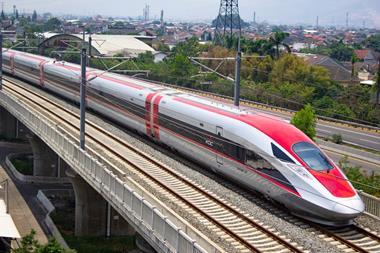
The organisation highlights the importance of strengthening both regional and long distance rail networks. Local and regional services enable people to remain connected within their communities, while high speed rail development supports wider economic integration across Europe.
CER is calling for a coordinated approach that combines local accessibility improvements with investment in major European corridors. It also recommends targeted use of funding mechanisms such as the Social Climate Fund and revenues from the Emissions Trading System to prioritise sustainable transport solutions.
Alberto Mazzola of CER said transport poverty represents a significant barrier to social and economic participation. He emphasised that rail provides an affordable and sustainable solution that must be supported through long term EU investment.
The organisation is also urging policymakers to ensure strong funding commitments in the next Multiannual Financial Framework, including increased support through the Connecting Europe Facility and other transport programmes.
The issue will be discussed at an upcoming event hosted by the European Parliament Intergroup on Services of General Interest and the Social Economy, where policymakers and industry leaders will examine how the EU Anti Poverty Strategy can better address mobility challenges.
CER maintains that without decisive action, transport poverty will continue to limit opportunities for millions, reinforcing the need for sustained investment in rail infrastructure and services across Europe.








No comments yet