
New L90-5 electronic interlocking at Hove supports increased capacity, improved maintenance and more reliable train operations on Norway’s rail network.
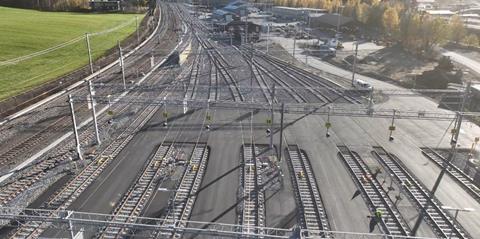
Hitachi Rail and Bane NOR have commissioned an L90-5 electronic interlocking system at Hove on the Dovre Line near Lillehammer, marking a further step in the digitalisation of Norway’s rail infrastructure.
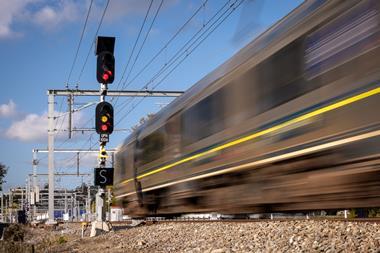
Installed at the Hove stabling facility, the system digitises the management of points, signals and level crossings. By replacing legacy control arrangements with a modern electronic interlocking, the solution is designed to enhance operational reliability, increase capacity for passenger services and support more efficient maintenance planning.
The project drew on Hitachi Rail expertise from Norway, Germany and Romania and was delivered on schedule in accordance with the technical and safety standards required for Norway’s national rail network.
“This achievement demonstrates how technological expertise and international collaboration can transform rail operations. This project reinforces our commitment to innovation and sustainable mobility. By modernising Norway’s infrastructure and enabling smarter operations, we help create better journeys for passengers and contribute to reducing environmental impact,” said Astrid van de Weijer, Project Manager Hove and General Program Manager SignAn at Hitachi Rail.
The L90-5 installation comprises one interlocking module, one local operator place, 42 point machines, three level crossings, 15 main signals, 28 dwarf signals and 59 detection points.
Strengthening resilience and capacity with digital interlocking
Norway’s rail infrastructure is facing increasing demands in terms of capacity, safety and sustainability. The Hove project is intended to optimise maintenance processes, improve operational resilience and provide a digital foundation for future enhancements in traffic management.
By modernising signalling assets and enabling smarter operational control, the partners aim to deliver more punctual passenger journeys while contributing to a lower environmental footprint across the network.



![Artists impression of an HS2 train from the side[2]](https://d2t7mfz1xjpi04.cloudfront.net/Pictures/380x253/1/1/2/3112_Artists-impression-of-an-HS2-train-from-the-side2.jpeg)