


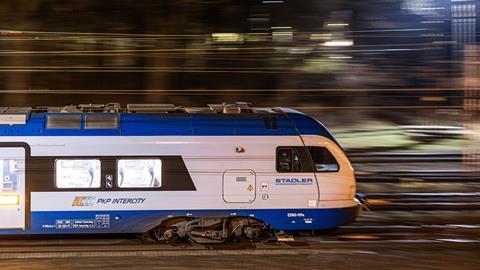
Poland’s record intermodal rail freight volumes are reinforcing its position as a major European logistics hub, although infrastructure investment remains critical to future expansion.
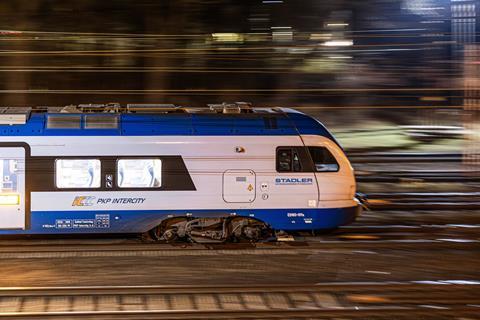
Poland’s intermodal rail freight market continues to expand, with record first-quarter figures highlighting the country’s growing role as one of Europe’s most important logistics hubs.
According to Rohlig SUUS Logistics, nearly 790,000 TEU were transported by rail in intermodal services during the first quarter of 2026. Intermodal transport accounted for a record 19.2% of total rail freight performance, reflecting continued demand for combined rail and road logistics solutions across domestic and international supply chains.
The company believes the figures demonstrate how intermodal transport is becoming an increasingly important element of Poland’s freight network while supporting wider European trade flows. However, it argues that continued investment in railway infrastructure and terminal capacity will be essential if this growth is to continue.
Infrastructure investment remains essential
Intermodal transport enables freight to remain within the same loading unit throughout the supply chain while allowing rail to be used for the longest sections of a journey. This reduces emissions, improves supply chain resilience and offers greater flexibility as logistics providers respond to rising transport costs, fuel price volatility and driver shortages affecting road haulage.
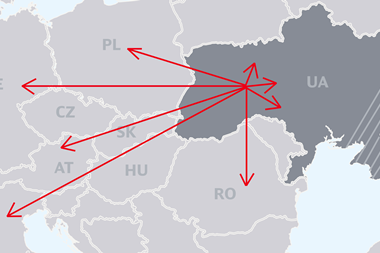
The growth of Poland’s ports has also increased the importance of efficient rail connections. Facilities such as the Port of Gdańsk continue to expand their container handling capacity, while investment is progressing at the new container terminal in Świnoujście. These ports increasingly serve not only the domestic market but also customers across Central and Eastern Europe, including the Czech Republic, Slovakia, Hungary and Ukraine.
Alongside port traffic, intermodal rail freight is expanding on long-distance European corridors linking Poland with destinations including Italy, Spain, Portugal, the Benelux countries and the United Kingdom. Rohlig SUUS Logistics said these routes offer significant environmental benefits, with intermodal services to Italy reducing carbon emissions by more than 80% compared with road transport.
Despite this progress, the company believes infrastructure development must accelerate. Poland currently has more than 40 intermodal terminals, ranking seventh in Europe by total number, but only eighteenth for network density. Continued investment in strategic hubs such as Małaszewicze and Sławków, together with railway modernisation projects, will be essential to increase capacity, remove bottlenecks and improve network performance.
Łukasz Rother, Intermodal Product Manager at Rohlig SUUS Logistics, said continued infrastructure investment would enable Poland to capitalise on its geographical position and strengthen its long-term role within European freight and logistics networks.






No comments yet