
Stadler opens new Austrian workshop to support high-speed train maintenance, boosting capacity, reliability and long-term rail infrastructure development.
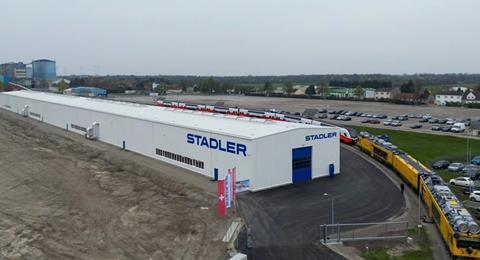
Stadler has opened a new train maintenance and servicing facility in Obersiebenbrunn near Vienna, strengthening its operational presence in Austria and expanding capacity for high-speed train support.
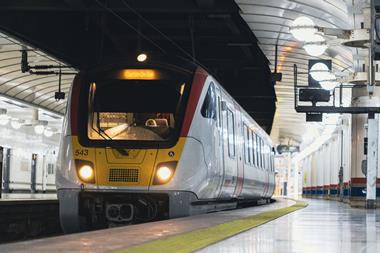
The site, officially opened on 10 April 2026, is designed to support commissioning, certification and servicing of modern rolling stock. Since March, high-speed trains operated by Westbahn have already been maintained at the facility, ensuring fleet availability and reliability.
New maintenance hub strengthens high-speed rail operations in Austria
The Obersiebenbrunn workshop is positioned as a central hub for Stadler’s activities in the country, supporting both ongoing and future rolling stock projects. The facility is also available to multiple operators, providing a flexible and shared approach to maintenance services.
Peter Spuhler of Stadler said the investment reflects the importance of the Austrian market and supports efficient maintenance of high-speed trains, which is critical for stable and reliable operations.
The facility enables faster preparation for testing and commissioning, helping reduce the time required to bring new trains into service. This supports growing demand across increasingly complex and congested rail networks.
Christian Diewald of Stadler Austria highlighted that the project addresses the need for efficient and sustainable maintenance solutions, ensuring trains meet high technical standards while supporting long-term network performance.
The project was delivered in partnership with STRABAG, with construction completed in just seven months. Franz Redl of STRABAG said the facility strengthens Austria’s rail system by enabling faster and more efficient maintenance of modern rolling stock.
The new workshop includes a 225 metre long maintenance hall covering approximately 4,600 square metres, alongside office space and additional storage facilities. It is directly connected to the rail network, including access to a 200 km/h line that will be equipped with ETCS in the future.
Political leaders also highlighted the wider economic and industrial benefits of the project. Peter Hanke emphasised the importance of the rail sector in driving innovation, employment and industrial growth, while Johanna Mikl Leitner noted the project strengthens Lower Austria as a business location.
The facility is expected to play a key role in supporting regional development, improving rail reliability and enhancing Austria’s position within the European rail network.

No comments yet