

Simon Fletcher, founder of Fletch Rail Advisory, examines the strategic choices behind rail traction energy, weighing electrification, battery and hydrogen solutions and the challenges of scaling them across networks.
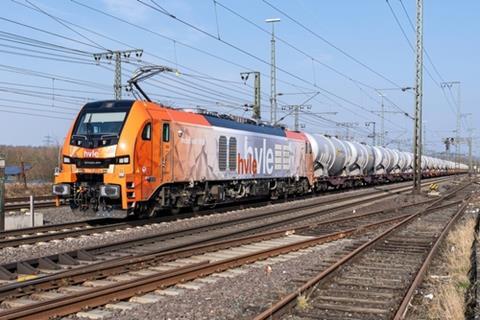
As the world embarks on the United Nations Decade of Sustainable Transport, the imperative to transition towards a fully decarbonised railway sector grows ever more pressing. While railways already represent the most sustainable land transport mode, opportunities remain to further enhance the sector’s environmental credentials, inclusivity and resilience.
At the heart of this transformation lies traction energy – the power source allowing trains to move. Achieving success in this arena requires a careful balance between emerging technologies, operational and customer requirements, economic and environmental considerations and long-term strategic planning.
Generically the railway sector has been subjected to a range of major challenges since the end of the COVID-19 pandemic. With other calls on finances, including defence spending, this means an ever-restricted pot of funding for network investment. In a recent report by the European Court of Auditors, the findings focused on project delays and the need for improved coordination between key stakeholders. Ensuring that there is joined-up thinking can more effectively control cost and significantly contribute to timely delivery of the project.
Rail decarbonisation strategy: practical trade-offs
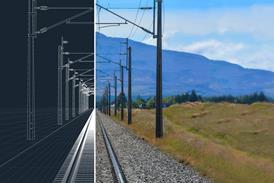
There are several key technologies to consider: electrification, battery-electric solutions, hydrogen power and hybrid systems. Electrification is the preferred choice for high-capacity, busy rail lines due to its efficiency and scalability, albeit at the cost of significant infrastructure investment. For less frequently used routes, this option may be excessive and can expose operators to volatile commercial energy charges.
Battery-electric trains offer flexibility and are particularly suitable for shorter or partially electrified routes. However, their range and the necessity for recharging infrastructure present challenges.
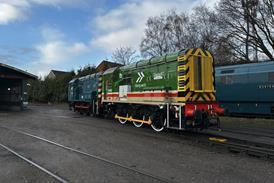
Hydrogen traction is an option for extended non-electrified routes, but it brings its own set of complications, including emissions from fuel production, safety concerns and the need for a reliable supply chain. Hybrid systems provide a bridge between technologies, yet they risk perpetuating reliance on fossil fuels if not managed carefully. In some cases, operators continue to rely on diesel due to lower per-kilometre costs compared to electricity.
Despite the apparent complexities and at the risk of it sounding like a fudge, the most effective approach is often a tailored mix of technologies, informed by factors such as route characteristics, traffic levels and sustainability objectives.
Achieving success in this arena requires a careful balance between emerging technologies, operational and customer requirements, economic and environmental considerations and long-term strategic planning.”
Trial applications vs. network-scale delivery
While new traction technologies have been trialled by many railways, expanding these innovations across entire networks poses significant challenges and can lead to unnecessary expense. Trials however, typically occur in low-risk environments, which do not expose the full range of operational complexities. Scaling up requires technical validation, regulatory alignment, resilient supply chains and consideration for customer disruption during installation. Integration with existing infrastructure and comprehensive lifecycle cost assessments further complicate broad implementation.
Nevertheless, attaining meaningful further carbon reductions will only be achieved by bridging the gap between trials and full-scale adoption. Again, success depends on a bespoke mix of technologies, underpinned by informed, data-led decision-making.
Energy supply resilience and risk
Train operators seek reliable, cost-effective energy sources. It is, after all, probably their single biggest operational cost.
Electrification, while efficient, can be visually intrusive and ties railways to the volatility of electricity markets, increasing exposure to price fluctuations and supply risks and the vagaries of climatic events.
Hydrogen and batteries introduce new dependencies: hydrogen relies on a robust supply chain, while batteries depend on ethical and stable access to critical minerals. Thus, a long-term power strategy must balance current costs, anticipate future energy market changes and ensure uninterrupted customer service.
Whole-system thinking: integrating rolling stock, infrastructure and eEnergy
Developing an effective energy strategy and technology mix requires the integration of rolling stock, infrastructure, operations and energy supply. A siloed approach risks inefficiencies and wasted investment. For example, synchronising train schedules with charging infrastructure for battery trains or prioritising upgrades that deliver the greatest emissions reduction can optimise returns.
Cross-company collaboration and robust data utilisation underpin a holistic approach, maximising opportunities, reducing costs, delivers the best possible service to customers and demonstrates the positive benefits of joined-up thinking.
Hydrogen: is there a future role?
Hydrogen traction has attracted considerable interest as a low-carbon solution for non-electrified lines, with notable trials in France and Germany. However, widespread adoption is contingent on overcoming significant safety and regulatory hurdles. Hydrogen’s flammability and storage requirements demand stringent standards and operational protocols. Additionally, the cost and accessibility of green hydrogen and the need for dedicated refuelling infrastructure limit its immediate feasibility.
Until these barriers are addressed, hydrogen is likely to remain a niche solution for specific, often less trafficked, routes rather than a network-wide option.
Battery traction and partial electrification
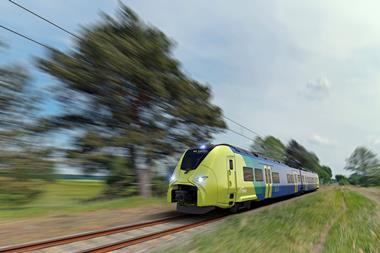
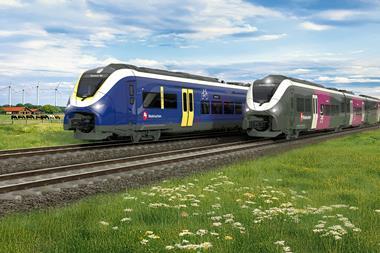
Battery traction, particularly when combined with partial electrification, presents a practical solution for many routes. Battery-electric trains can operate on non-electrified segments, recharging under overhead wires or at designated in-route charging stations. This reduces the reliance of fossil fuel at the point of use and delivers significant emissions reductions without the cost and visual impact of comprehensive electrification.
Continuous improvements in battery technology further strengthen this proposition, making partial electrification an attractive incremental step towards decarbonisation. Successful trials in the UK have recently demonstrated the viability of this approach.
Attaining meaningful further carbon reductions will only be achieved by bridging the gap between trials and full-scale adoption.”
Delivering new technology: skills, capability gaps and supply chain challenges
Implementing new technology – particularly large-scale electrification – relies on stable funding, standardisation and a skilled workforce. Past projects in the UK and Ireland have experienced cost overruns and delays due to inconsistent design standards, skills shortages and fragmented supply chains. Success requires expertise in electrical and civil engineering, digital systems and energy management; however, shortages in these areas threaten progress.
Addressing this gap demands investment in education, apprenticeships, upskilling and collaboration with academic institutions.
Regulation, standards and assurance
Strong regulation, clear standards and independent assurance are essential for the safe deployment of new traction technologies. Existing regulatory frameworks may not adequately address the unique risks associated with batteries, hydrogen, or hybrid systems. Collaboration between regulators and the rail sector is crucial to establish harmonised, future-proof standards that safeguard public trust and support innovation.
Digitalisation and data for energy efficiency
Digital technologies offer substantial opportunities to enhance traction energy efficiency. Real-time analytics can optimise train performance and energy consumption, while predictive maintenance – enabled by digital twins and sensors – reduces downtime. Integrating digital systems on rolling stock and along the infrastructure creates more responsive and efficient operations.
However, ensuring interoperability and maintaining data security are vital for the successful deployment of these technologies. The railway’s standards need to be well adapted to cater for this evolutionary aspect.
The complexity of strategic decision-making
Long-term decisions regarding traction energy are complicated by uncertainties in technological advancement, energy prices and policy direction. Scenario planning, comprehensive cost analysis and risk management are indispensable tools for navigating this complexity. Designing infrastructure with the flexibility to accommodate future developments, such as later electrification, enhances resilience. An adaptive, strategic vision is key to guiding railways through the transition to sustainability.
Collaboration across the industry, sharing knowledge and experience, will be instrumental in meeting the Sustainable Development Goals established at both European and global levels and will also make sound economic sense.
Conclusion
Making further reductions in the railway carbon footprint is a complex, multifaceted challenge that requires balancing ambition, innovation and operational practicality. By embracing whole system thinking, investing in workforce development, standardising approaches and leveraging reliable data and digital technologies, the railway sector can build a resilient and sustainable network, ready to meet the needs of the future.







No comments yet