
1stinrail has expanded use of hydrogen powered engine cleaning technology after achieving major fuel and emissions reductions across its fleet.
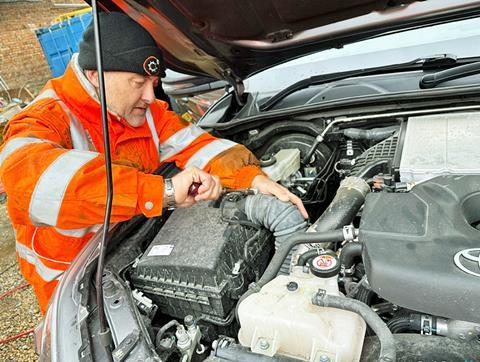
1stinrail has expanded deployment of hydrogen powered engine cleaning technology across its fleet after a successful emissions reduction trial on vehicles supporting the Transport for London rail network.
The trial used patented Engine Carbon Clean technology developed by Advanced Hydrogen Technology Group and delivered in partnership with K2C Rail.
Hydrogen engine cleaning trial delivers emissions and fuel savings
The Engine Carbon Clean system uses on demand hydrogen generation to remove carbon build up inside combustion engines. Hydrogen is introduced through the engine air intake system to improve fuel efficiency and reduce harmful emissions including CO2, carbon monoxide and nitrogen oxides.
Over a four month period, the system was tested on 25 vehicles operating from 1stinrail’s Silvertown depot in East London. The fleet supports maintenance and repair work across the London Underground network, often working within restricted overnight access periods lasting only two to three hours.
According to the company, the trial achieved average fuel and CO2 savings of 15 per cent across the different vehicle types involved.
Following the results, 1stinrail confirmed plans to deploy the technology across its entire 140 vehicle fleet, with potential wider rollout planned throughout the wider RSK Group.
Stephen Jackson said: “We had hoped for figures that showed a saving in fuel, and therefore CO2 emissions, ranging from 7 to 10%, so to receive confirmation that we had achieved an average reduction of 15% was a very pleasant surprise.”
He added that the initiative supports the company’s target to reduce Scope 1 greenhouse gas emissions by 50 per cent by 2030 while also supporting decarbonisation objectives linked to TfL and the Mayor of London.
Ben Kattenhorn said the technology offers “an immediate solution” for sectors under growing emissions scrutiny.
Chris Kearns added that sustainable operations and supply chain decarbonisation are now “prerequisites for business success”.
The project highlights continued interest across the rail sector in transitional decarbonisation technologies capable of improving sustainability while existing diesel maintenance fleets remain operationally necessary.





No comments yet