

On World Public Transport Day, Gianfranco Sgro, CEO of Arriva Group, argues that clear modal shift targets and long-term policy direction are essential to unlocking investment, strengthening resilience and making passenger transport the first choice across Europe.
World Public Transport Day comes at a time when the case for all types of passenger transport feels stronger than ever. Instability in the Middle East is a reminder of how exposed transportation - whether by plane, ship or car - is to events beyond its control. It brings into focus that the way people move is not just an environmental question, but an economic and strategic one too.
Every day trains, buses, trams and other shared mobility solutions connect people with work, school, essential services and leisure activities. At Arriva alone, we provide more than 1.5 billion passenger journeys in the UK and Europe every year across 11 countries, running over 600 trains, yet private cars still account for 75% of the passenger kilometers travelled across the region.
The way people move is not just an environmental question, but an economic and strategic one too.”
Today is a time to reflect on what governments and we, as industry professionals, can do to ensure that the shift to public transport can take place even faster than current predictions, which show an increasing share of journeys will be made by passenger transport in future, known as “modal shift”. We know that a full train can remove up to 500 to 600 cars from the road, according to data from rail operators.
But for the welcome trend of modal shift to accelerate, we believe national and local authorities should set targets to more rapidly unlock the benefits, helping operators like us to invest for long-term growth.
Passenger transport systems as engines of opportunity
Passenger transport connects people to jobs, helps businesses recruit the workers they need and supports growth in towns, cities and regions. Trains operating at high speed open up job markets to huge catchment areas. When transport works well, the wider economy works better too. When it does not, the impact shows up quickly: in lost time, weaker connectivity and fewer opportunities for people and businesses alike.
It also has an important role to play in making transport systems resilient. Recent energy market volatility has shown how vulnerable transportation can be to external shocks. Over time, getting more people onto passenger transport - alongside electrifying tracks and fleets - can reduce that exposure, while cutting emissions, reducing congestion, improving air quality and supporting public health.
Passenger transport is often expected to fit around private cars, operating at the margins rather than being given the right conditions to be competitive.”
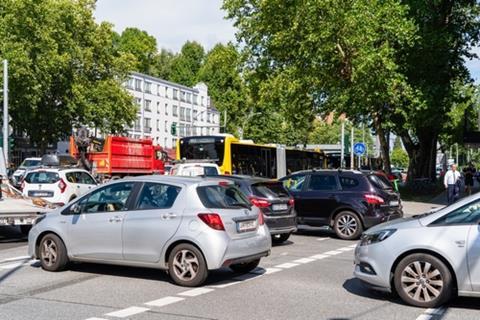
But across Europe, too many transport systems are built around private car use. For too many journeys, despite congestion, the car still feels like the easiest option - not always because it is a better choice, but because that is how networks and policies have evolved over time. Passenger transport is often expected to fit around private cars, operating at the margins rather than being given the right conditions to be competitive. The result is a system that is less efficient, more carbon-intensive and more expensive than it needs to be.
Europe needs long-term plans, backed by concrete target
So how do we get more people onto public transport and especially onto highly efficient rail networks? The answer is not one thing, and it is not the responsibility of one group alone.
National and local authorities should set clear targets to increase the share of journeys made by passenger transport, alongside active travel. And operators need to keep improving services so that passenger transport is the obvious choice for more people more often.
Such modal shift targets matter because it gives the whole system a clear direction. They help public bodies prioritise passenger transport when it comes to road usage or infrastructure decisions, support operators to invest for the long term and give infrastructure decision-makers more confidence about where transport networks are heading.
They also matter because passenger transport is a long-term business. Operators like Arriva invest over many years in fleets, depots, stations, technology and the customer experience. Those decisions are much easier to make when the policy environment is stable and the direction is clear. Done properly, modal shift targets could help unlock the investment needed to modernise services and improve reliability for passengers.
Transport operators also have a clear responsibility in making modal shift a reality. That means a relentless focus on delivery and continually raising standards - ensuring reliability, investing in cleaner and more comfortable fleets, and using technology to make journeys simpler and more intuitive. If passenger transport is to compete with the convenience of the private car, operators need to ensure it is not just available, but genuinely attractive to use every day.
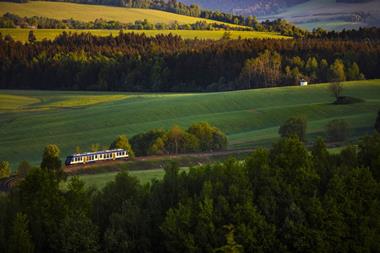
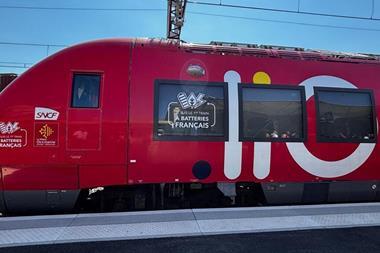
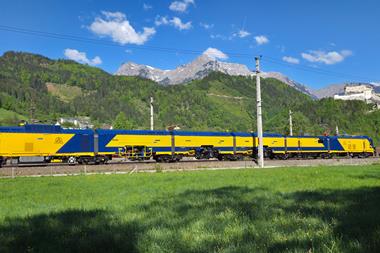
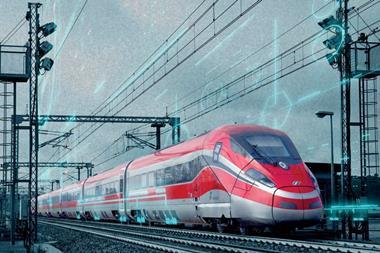
But targets on their own are not enough. They need to be backed by practical changes that people notice in their everyday journeys, such as real-time journey planning, increased capacity, more comfortable journeys, and the smarter use of digital tools. At Arriva, we’re continuing to invest in making our rail services more accessible, reliable and sustainable to encourage passengers to use them more. For example, in the UK, we’re replacing the Grand Central fleet with state-of-the-art battery hybrid trains which can operate on electric and non electric tracks, while in Czechia, we’re partnering with Škoda on a €300 million investment to supply 22 new electric trains capable of travelling up to 200 km/h. We know that more people will leave the car at home only when passenger transport becomes the easier, more dependable choice.
World Public Transport Day is a chance to recognise everything this sector already delivers. But it should also be a moment to raise our ambition. Governments, authorities and operators need to work together to make passenger transport the natural first choice for more of the journeys people make every day.

No comments yet