
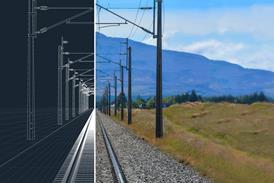


Alstom commissions first ARGOS digital interlocking system in France, supporting rail digitalisation and future ERTMS deployment.

Alstom has commissioned the first ARGOS digital interlocking system in Montbard, marking a significant milestone in the digital transformation of the French rail network.
The project was delivered in partnership with SNCF Réseau and represents the first deployment of a third-generation computerised interlocking system designed to improve operational reliability, maintenance efficiency and network performance.
New digital interlocking supports future French rail modernisation
The ARGOS pilot system has been installed on a nearly 30-kilometre railway section between Nuit sous Ravières and Les Laumes station near Dijon. The route was selected as a pilot environment to test the system’s performance and robustness under real operational conditions before wider deployment.
The commissioning follows almost five years of collaboration between Alstom and SNCF Réseau teams and forms part of broader efforts to modernise signalling infrastructure across France.
Frédéric Wiscart of Alstom said: “The commissioning of the ARGOS interlocking system in Montbard illustrates our long-term commitment to a digitalised, interconnected and high-performance rail network serving local communities and passengers.”
The ARGOS programme was launched by SNCF Réseau in 2018 to support the development of more advanced computerised interlocking systems capable of improving reliability while reducing operational and maintenance costs.
The system enables real-time communication between trackside signalling installations and centralised control centres. It is also intended to support future deployment of the European Rail Traffic Management System on major routes, including the high-speed line between Paris and Lyon.
At the centre of the new signalling solution is Alstom’s Onvia Lock technology, which directly interfaces with trackside equipment such as signals and point machines through smart object controllers.
This architecture removes the need for intermediate relays, reducing cabling requirements, simplifying infrastructure and lowering maintenance demands. The modular design also allows easier future upgrades and incorporates enhanced cybersecurity protections.
Alstom stated that the project mobilised around 400 specialists across multiple French sites, including Saint Ouen, Villeurbanne and Mignières, covering engineering, railway electronics and equipment preparation.
The deployment further strengthens Alstom’s position within France’s signalling sector and reflects the growing importance of digital signalling technologies in improving railway capacity, reliability and operational flexibility.
As rail networks across Europe continue modernisation programmes, projects such as ARGOS are expected to play a central role in supporting future digital and interoperable railway systems.










No comments yet