
Alstom will modernise Lausanne’s m2 metro with a new CBTC signalling system and extensive fleet refurbishment programme.
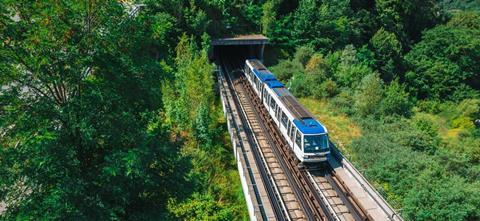
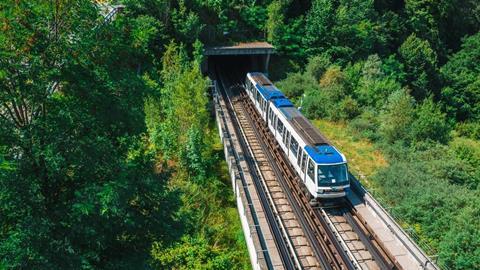
Alstom and Transports publics de la région lausannoise have signed a €295 million agreement to modernise Lausanne’s automated m2 metro line through new signalling technology and a major fleet refurbishment programme.
The project will introduce Alstom’s latest communications-based train control technology while extending the operational life of the existing metro fleet.
The need to modernise the automation systems and increase capacity is crucial for the whole transport network.”
New CBTC signalling to increase Lausanne metro capacity
The m2 metro is regarded as the backbone of public transport in the Lausanne region. The new signalling system will allow trains to operate closer together with greater precision, increasing passenger capacity and reducing waiting times while maintaining high safety standards.
The project will use Alstom’s Urbalis Fluence CBTC system, which relies on a train-centric architecture that places more operational intelligence onboard the trains themselves. This approach reduces the need for additional trackside equipment and allows phased modernisation of existing metro infrastructure.
Alongside the signalling upgrade, the entire m2 fleet will undergo a significant mid-life refurbishment programme at Alstom’s Villeneuve facility in Switzerland.
The work will include upgrades to train control and monitoring systems, integration with the new CBTC technology and improvements to both the interior and exterior of the metro vehicles.
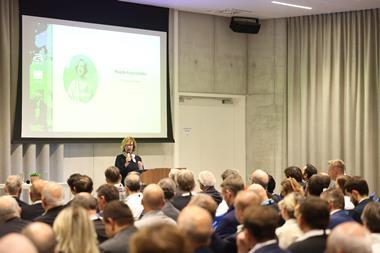
Patricia Solioz Mathys said: “As Switzerland’s only metro system, m2 is a real success story.”
She added: “The need to modernise the automation systems and increase capacity is crucial for the whole transport network in the Lausanne metropolitan area.”
Marie Icardo said the project would deliver “more frequent, more reliable journeys for passengers”.
The agreement also includes technical support and long term obsolescence management services designed to maintain reliable operations during and after the upgrade programme.
Most installation and testing activities will take place overnight to minimise disruption to passengers and daily metro operations. The work reflects the complexity of introducing new generation digital signalling technology onto a fully operational automated metro system.
The modernisation programme highlights continued investment in digital urban rail infrastructure as cities seek to increase public transport capacity without constructing entirely new networks.
Learn more here.


No comments yet