
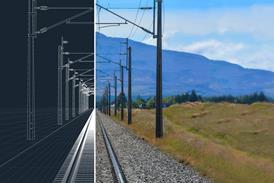
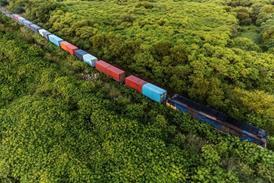
The modernisation of the Hamburg–Berlin corridor strengthens one of Germany’s most important passenger and freight rail routes.
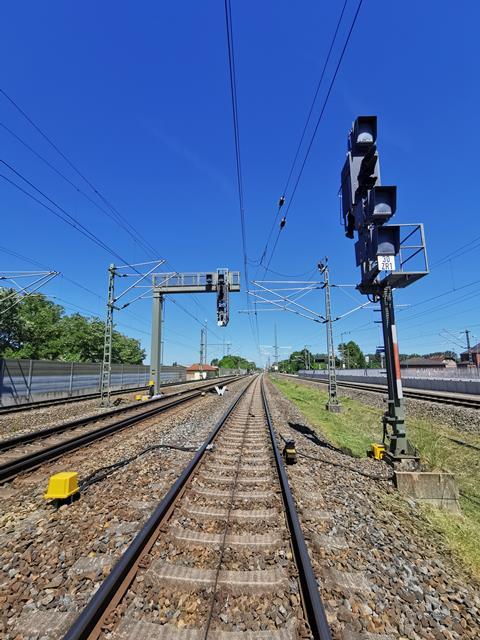
Hitachi Rail has completed a major signalling and train control modernisation project on the Hamburg–Berlin railway line, helping improve reliability and operational performance on one of Germany’s most important rail corridors.
The route reopened last week following extensive upgrade works delivered as part of Germany’s wider programme to modernise high-performance rail corridors and strengthen the national railway network.
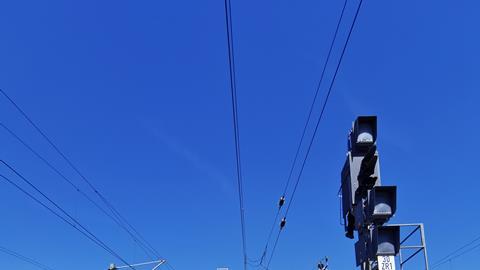
Working as a technology partner to DB InfraGO AG, Hitachi Rail carried out the renewal of signalling and train control systems across an approximately 200-kilometre section between Paulinenaue and Schwanheide.
Hamburg–Berlin corridor receives signalling upgrade
The project involved bringing almost the entire signalling and train control infrastructure up to the latest technological standards.
According to Hitachi Rail, the upgraded systems allow more precise management of train movements across the heavily used corridor, helping create a more stable and resilient operating environment.
The modernisation provides the technical foundation required to manage growing passenger and freight traffic volumes while supporting long-term network reliability.
The Hamburg–Berlin corridor forms part of the wider Trans-European Transport Network (TEN-T) and plays an important role in connecting regional, national and international rail services.
Hitachi Rail said successful delivery required careful planning and close coordination between project partners to integrate new technology into an operational railway environment.
André Fritzsche, Project Manager at Hitachi Rail Germany, said: “The modernisation of the Hamburg–Berlin line shows how complex the comprehensive renewal of existing infrastructure is in an operational rail environment.”
He added: “What really matters is that all parties involved work closely and effectively together.”
The project utilised Hitachi Rail’s ESTW L90 electronic interlocking technology on a modern hardware platform, helping prepare the route for future operational requirements and continued growth in rail traffic.

No comments yet