
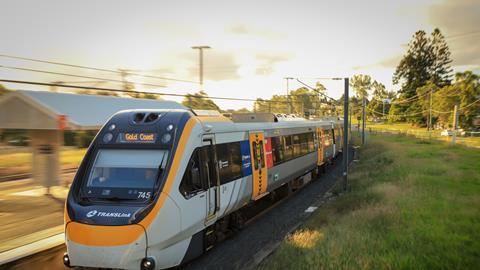
The project will extend advanced digital signalling along a key section of the Brisbane to Gold Coast rail corridor.
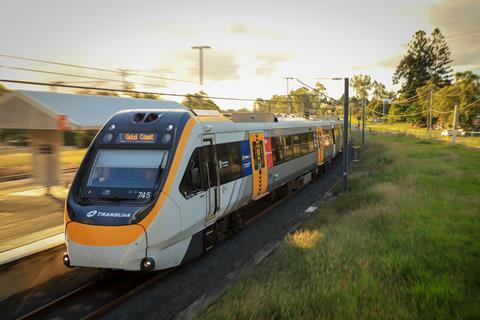
Hitachi Rail has expanded its deployment of European Train Control System (ETCS) Level 2 across South East Queensland, extending advanced digital signalling between Kuraby and Beenleigh stations on the Gold Coast line.
The project is being delivered in partnership with the Queensland Department of Transport and Main Roads and Queensland Rail as part of the wider digital transformation of the region’s passenger railway. More than 200 kilometres of rail corridors across South East Queensland are being upgraded with modern signalling technology designed to improve safety, reliability and operational performance.
The Kuraby to Beenleigh section forms a key part of the Brisbane to Gold Coast corridor, supporting passenger travel and economic activity by improving connections between communities and businesses.
Digital railway programme continues
Hitachi Rail has already completed installation of ETCS Level 2 on Brisbane’s Shorncliffe line, where testing and staff training are now underway before the technology enters passenger service.
Construction is also progressing on additional sections between Beenleigh and Varsity Lakes, further extending the digital railway programme across the network.
Sarfaraz Samnakay, Managing Director of Hitachi Rail Australia and New Zealand, said: “The extension of works expands Hitachi Rail’s major role in delivering ETCS Level 2 to key parts of the SEQ rail network to support the region’s growth for generations to come.”
Alongside ETCS, Hitachi Rail is developing a new Traffic Management System covering the entire South East Queensland rail network and introducing a Possession Management System to improve track access and maintenance planning.
Samnakay added: “These integrated systems, together with ETCS L2, form part of the backbone of SEQ’s future digital railway.”
Hitachi Rail said its Queensland delivery team combines local expertise with international specialists in signalling, telecommunications and train control systems.
The digital signalling programme is expected to play a key role in supporting future passenger demand and improving rail capacity ahead of the Brisbane 2032 Olympic and Paralympic Games, while delivering more reliable and sustainable public transport services across South East Queensland.







No comments yet