
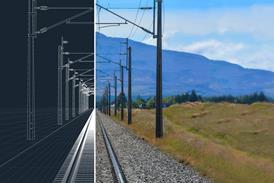
New AI driven monitoring systems help LNER and Network Rail detect infrastructure faults early, improving reliability and reducing disruption across the network.
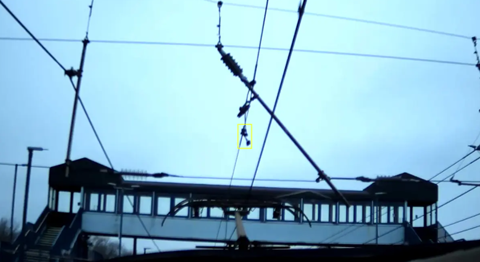
LNER and Network Rail have deployed new monitoring technologies across their fleets to improve reliability and reduce delays on the East Coast Main Line.
The two organisations have introduced systems including Pantograph Damage Assessment System and Automated Intelligent Video Review, designed to continuously monitor infrastructure and identify potential faults before they escalate into major issues.
These technologies are installed on LNER’s Azuma and InterCity 225 fleets, enabling real time assessment of overhead line equipment and track condition. By using artificial intelligence and machine learning, the systems provide engineers with detailed insights into infrastructure performance across the network.
AI monitoring systems improve fault detection and rail performance
Pantograph Damage Assessment System monitors the interaction between pantographs and overhead wires, identifying potential defects that could lead to failures such as dewirement. Following a wider rollout in 2025, the system now covers the entire electrified East Coast Main Line on a daily basis.
Automated Intelligent Video Review complements this by using underbody cameras to scan track conditions. The system captures detailed imagery, allowing engineers to identify faults and plan maintenance more effectively.
The deployment of these technologies is already delivering measurable benefits. Over the past year, Pantograph Damage Assessment System has helped identify and remove 19 overhead line defects that may otherwise have gone undetected. Engineers estimate that these could have resulted in multiple major incidents, each causing significant delays and service disruption.
Without intervention, such faults could have led to thousands of delay minutes and widespread cancellations, impacting passenger journeys and increasing operational costs.
Automated Intelligent Video Review has also demonstrated its value. In early 2026, the system detected a developing track fault near Retford, allowing engineers to carry out repairs overnight without causing disruption to services.
This proactive approach contrasts with earlier incidents, where undetected faults led to extensive delays and cancellations affecting thousands of passengers.
Gunnar Lindahl of LNER and Network Rail said the technology is helping teams take a more strategic approach to maintenance, ensuring resources are deployed where they are most needed.
By enabling earlier intervention and more precise diagnostics, these systems support improved punctuality and a more reliable railway for passengers.
As both technologies continue to evolve, LNER and Network Rail expect further improvements in operational performance, helping to minimise disruption and enhance the overall customer experience across the network.




No comments yet