
Alstom and Flox Intelligence are testing AI technology designed to reduce wildlife collisions and improve railway reliability in Sweden.
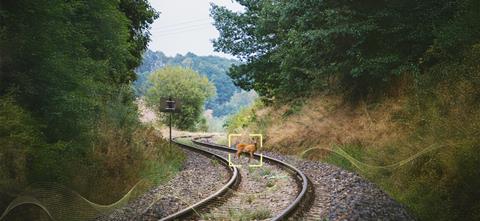
Alstom and Swedish technology startup Flox Intelligence are carrying out field trials of artificial intelligence systems designed to reduce wildlife collisions on railways.
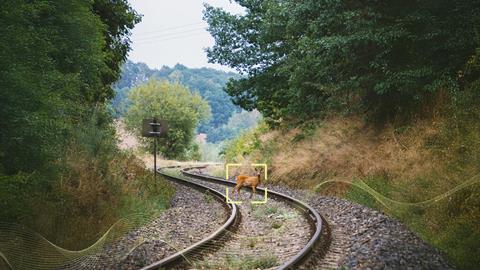
The technology uses AI powered cameras and automated deterrent systems to identify animals near railway tracks and safely prevent them from entering operational areas.
AI railway system aims to reduce wildlife related disruption
The project is currently being tested on multiple railway routes in Sweden, including Dalabanan, Bergslagsbanan, Godsstråket through Bergslagen and Bergslagenpendeln.
According to the companies involved, wildlife collisions remain one of the most common causes of rail disruption in Sweden, with approximately 5,000 incidents reported annually.
The system combines real time AI based animal detection with targeted audio deterrents designed to move animals away from tracks before trains approach.
Initial trials identified a range of species including moose, roe deer, foxes and wild boar. The system has also detected smaller animals and bird species that were previously less visible in railway incident reporting data.
Sara Nozkova said: “Our field tests show that AI has the potential to identify animals with high precision.”
She added that combining wildlife deterrence expertise with railway technology could both “protect animals and increase operational reliability”.
Maria Signal Martebo said the trials had already improved understanding of animal movement patterns around railway infrastructure.
She said: “By reducing train-wildlife collisions, we will protect passengers and wildlife while also addressing operational and societal costs associated with these incidents.”
The second phase of testing began during April 2026 and expanded the system to include both video detection and active sound deterrence technologies.
The trials are being conducted in partnership with Tåg i Bergslagen and rail operator VR as part of wider innovation and safety development programmes.
The project has also received support from Vinnova and contributes to broader Swedish and European goals focused on safer and more sustainable transport systems.
Each animal detection recorded by the system is categorised and used to continuously train and improve the AI platform’s performance and accuracy.
Beyond reducing delays and infrastructure damage, the project also aims to improve working conditions for train drivers while lowering the environmental and financial impact associated with wildlife collisions.
The initiative highlights growing interest across the rail sector in applying artificial intelligence technologies to operational safety, environmental management and network reliability challenges.
Find out more about Flox Intelligence here.

No comments yet