
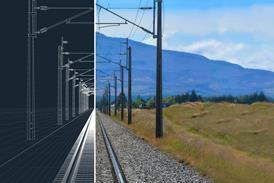

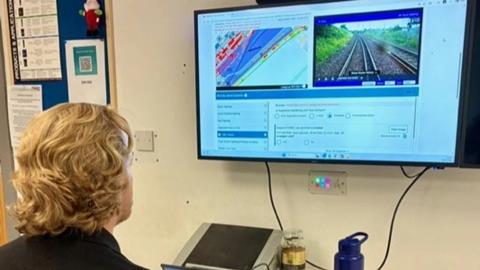
Digitised Lineside Inspection is allowing Network Rail engineers in Edinburgh to assess vegetation from the depot, reducing trackside exposure and delivering around £55,000 in direct savings.
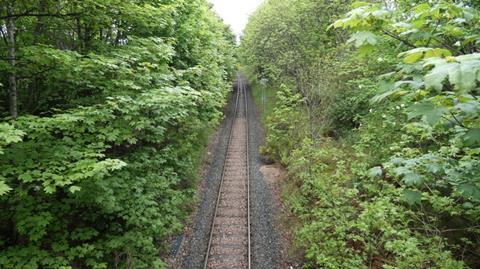
Network Rail engineers in Scotland have completed a vegetation inspection cycle that would previously have taken three years in just two months, using Digitised Lineside Inspection (DLI).
Teams in Edinburgh used the technology to inspect their patch, including sections of the East Coast Main Line, the route linking Edinburgh and London King’s Cross. Network Rail said the approach has delivered around £55,000 in direct savings in Edinburgh.
How Digitised Lineside Inspection reduces trackside work
DLI uses footage captured from trains to give engineers a clear view of vegetation along the railway. This allows them to identify potential problems and plan any required work from the depot, rather than trackside.
As a result, engineers spend less time walking the railway, where special access is needed to work safely. Network Rail said this means fewer unnecessary trips trackside and less exposure to the risks that come with working on the railway.
Completing what would previously have been a three-year inspection cycle in just two months is a fantastic achievement and means our engineers can get a clear picture of where work is needed much more quickly.”
Targeting work as leaf-fall season begins
The technology is also being used as autumn sets in, a period when falling leaves can cause problems for trains. Network Rail said that by spotting potential issues sooner, teams can target work where it is needed and help keep trains running reliably for passengers.
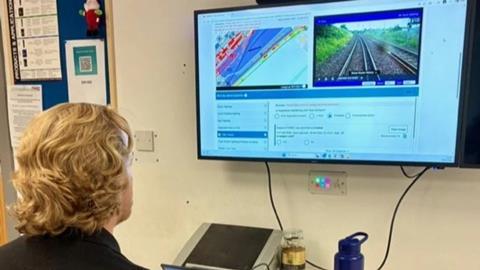
Tracy Penmen, track maintenance engineer at Network Rail Scotland, said: “This is a brilliant example of how technology is helping us look after the railway more safely and efficiently.”
She added: “Completing what would previously have been a three-year inspection cycle in just two months is a fantastic achievement and means our engineers can get a clear picture of where work is needed much more quickly.”
Penmen said: “It also means less time spent out on the railway carrying out inspections and more time focused on the places that need our attention.”
She concluded: “The Edinburgh teams have really embraced this new way of working and should be incredibly proud of what they’ve achieved.”





No comments yet