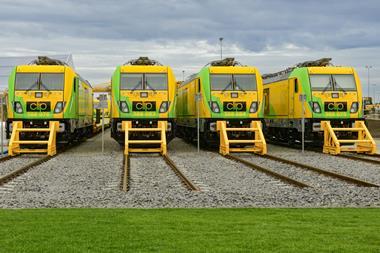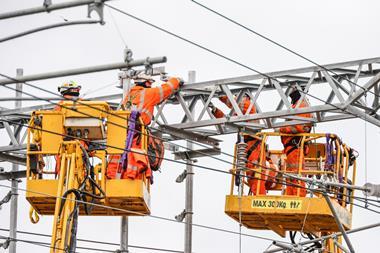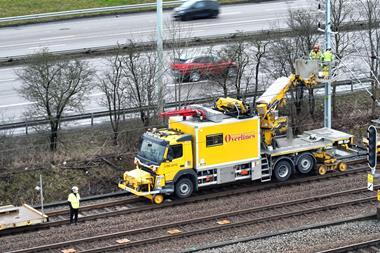
Learn how rail operators are overcoming cost, grid, and operational challenges to decarbonise traction. Expert insights cover hydrogen, battery, and electrification strategies, plus depot and real-time coordination solutions.
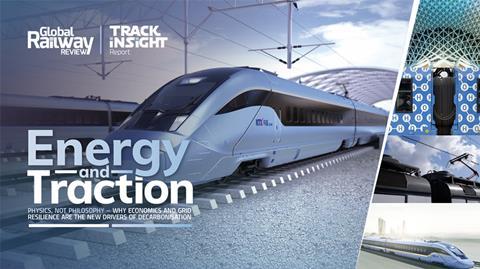

The debate over rail traction is no longer theoretical. As the industry moves deeper into 2026, operators have shifted from arguing over the “best” fuel to confronting the realities of cost, energy supply, and operational complexity.
When operators are squeezed by volatile material costs, constrained capital budgets, and increasing grid instability, assumptions about fully electrifying every route are being tested. For many networks, universal electrification is no longer a default solution but a strategic and economic challenge.
Drawing on the perspectives of four leading experts, this Energy & Traction Track Insight explores how operators are adopting mixed-energy strategies. It highlights practical approaches that combine discontinuous electrification, battery autonomy, and hydrogen traction while addressing grid, depot, and operational constraints.
What you will learn:
- Why universal electrification may no longer be viable for every route
- Where hydrogen and battery-electric traction deliver operational and environmental benefits
- How operators can address depot, grid, and real-time coordination challenges to scale decarbonisation programmes
Featuring expert insights from:
- Simon Fletcher, Director, Fletch Advisory
- Phil Smart, Regional Policy Manager, Rail Freight Group
- Olivier André, Partner, Netcompany
- KORAIL (Korea Railroad Corporation), the national rail operator of South Korea.
Together, these perspectives highlight how operators are tackling the practical, technical, and operational challenges of rail decarbonisation. The result is actionable insight into mixed-energy traction strategies, grid and depot coordination, and emerging hydrogen and battery solutions
Access the full report >>
Download Now
Global Railway Review’s Track Insight: Energy & Traction 2026
Topics
- Alternative traction pathways
- Civils & structures
- Denmark
- Depots & facilities
- Digital delivery & change
- East West Rail
- Electrification & traction power infrastructure
- Europe
- Fleet strategy & procurement
- Freight planning & capacity
- Global Railway Review
- Great Western Railway (GWR)
- Heavy haul & industrial freight
- Hydrogen traction (onboard)
- Merseyrail
- Net zero strategy & reporting
- Net zero strategy & reporting
- Northern England
- Northern Trains
- Rail Freight Group
- ScotRail
- Service performance & disruption management
- Simon Fletcher
- South Korea
- Traction & onboard power systems
- Traffic management & control centres
- Transport for Wales
- United Kingdom
- Wales