
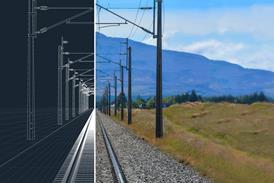
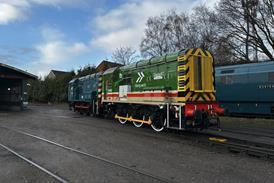

Signal boxes control routes, signals and safety systems, evolving from manual systems to digital interlockings supporting modern railway operations.
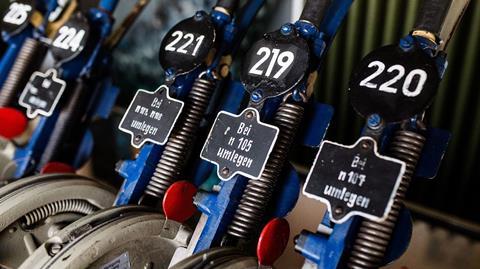
Signal boxes are essential control centres within railway operations, responsible for managing points, signals and train movements to ensure safe and conflict free journeys across the network.
Their primary function is to define and secure train routes. Before a route is set, systems verify that all safety conditions are met, including correct point positioning, clear track sections and secured level crossings. Only once these checks are complete can a signal be cleared for train movement.
Evolution of signal box technology supports safer and more efficient operations
At the core of signal box operations is a safety logic system that continuously monitors conditions. In the event of a fault, signals automatically revert to a safe state, preventing movement and ensuring that risks are minimised. Additional procedures allow operations to continue safely even during disruptions.
Key safety features include route definition, which links points and signals into protected paths, flank protection to prevent collisions and track vacancy detection systems that confirm whether sections of track are clear.
Signal box technology has evolved significantly over time. Early mechanical interlockings relied on manual lever systems and visual inspection, limiting control areas and requiring significant operator input.
Electromechanical systems introduced electrical components, improving safety and operational efficiency. Relay interlockings further advanced automation by using electrical circuits to manage safety logic and route setting.
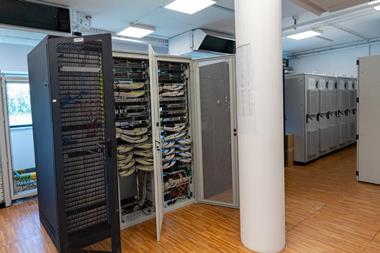
Modern electronic interlocking systems use computer based technology to enable centralised control and improved diagnostics. The latest generation, digital interlockings, uses network based architectures and distributed control systems, allowing greater flexibility, scalability and integration with advanced signalling technologies.
These developments support improved operational performance, increased capacity and enhanced reliability across rail networks. Digital systems also enable remote monitoring and integration with technologies such as ETCS, supporting the wider digital transformation of rail.
Despite these technological advances, the core objective of signal boxes remains unchanged: ensuring that trains operate safely, efficiently and without conflict, regardless of network complexity.
Learn more here.



No comments yet