




As transport shifts to digital-first, account-based models, ticketing is emerging as a key enabler of seamless, multimodal travel. Speaking to Global Railway Review, Lee Christopher, Senior Product Manager at Tracsis PLC, explains how integration, innovation and user-focused design are shaping next-generation passenger journeys.
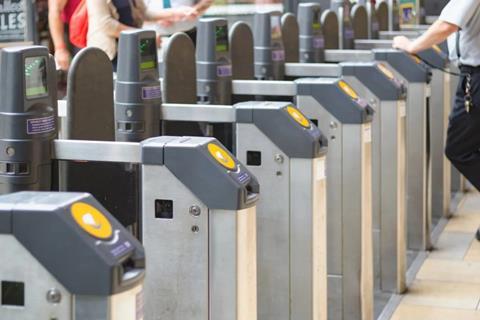
How are ticketing and payments architectures evolving in practice?
Lee Christopher: Tracsis PLC is seeing a clear shift towards digital. Paper tickets are gradually disappearing, and passengers increasingly prefer using their phones. The focus is on making the experience as frictionless as possible across multiple transport modes. The company’s vision is to offer integrated solutions across four modes, ensuring the customer journey is seamless and user-friendly.
What are the biggest barriers to delivering truly seamless multimodal journeys, and how are they being addressed?
Lee: The main challenges stem from organisational silos. Bus and rail often operate under different teams with separate systems and revenue targets, creating friction when trying to integrate journeys. Progress is being made, for example in Liverpool, where authorities are actively working to bridge these gaps. Tracsis PLC aims to extend solutions from rail to bus and ferries, contributing to a more integrated transport network.
Our focus is driving digital ticketing that removes friction across the end-to-end journey, giving operators the tools to improve passenger experience, strengthen revenue protection, and optimise network performance.
How do you balance innovation with resilience, performance, and reliability at scale?
Lee: Collaboration and thorough testing are essential. Tracsis PLC conducts small-scale trials before wider deployment, allowing issues to be identified and resolved early. This approach ensures that innovation does not compromise system resilience or reliability, particularly in mission-critical environments.
How should transport authorities approach data ownership, governance and interoperability?
Lee: Approaches depend on the authority’s goals. Tracsis PLC systems provide operational insights while keeping data anonymous, enabling authorities to monitor travel patterns and journeys without exposing personal information. Data governance strategies should align with the level of insight authorities want to achieve, balancing value and privacy.
Which capabilities or architectural decisions today will impact future-ready mobility systems?
Lee: Investments in infrastructure must be strategic, as high costs can lock authorities into inflexible systems. Tracsis PLC integrates with existing ticketing infrastructure to ensure technology can adapt over time. Decisions made now, particularly around system integration, will influence which solutions can be implemented over the next decade.
What else is Tracsis PLC focusing on this year?
Lee: Beyond ticketing, the company continues to advance its passenger compensation and revenue protection products. This direction reflects Tracsis’ focus on helping operators grow ridership while also improving the customer experience and strengthening operational engagement.
Looking forward, what’s your vision for integrated mobility?
Lee: Tracsis PLC aims for seamless, multimodal transport. By prioritising digital adoption, interoperability, and customer-centric design, the company seeks to deliver journeys that are simple, reliable and rewarding across all transport modes.
Our focus is driving digital ticketing that removes friction across the end-to-end journey, giving operators the tools to improve passenger experience, strengthen revenue protection, and optimise network performance.









No comments yet