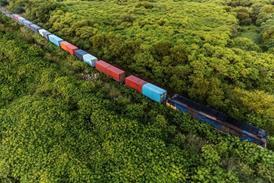
Rail sector urges high speed links, digital ticketing and decarbonisation measures in shaping the EU strategy for sustainable tourism.
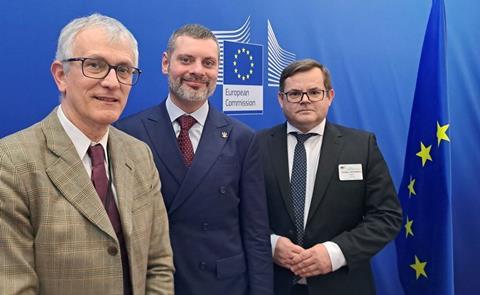
A high level meeting in Brussels has brought rail leaders together with the European Commission to shape the forthcoming EU Strategy for Sustainable Tourism.
Convened by Apostolos Tzitzikostas, the session gathered key stakeholders from across the transport and tourism sectors. Among those representing rail were Alan Beroud, CEO of PKP SA and Chairman of Community of European Railways and Infrastructure Companies, alongside Tomasz Lachowicz, Director of the PKP Representation in Brussels, and Alberto Mazzola, Executive Director of CER.
Sustainable tourism cannot exist without sustainable mobility.”
The dialogue forms part of a broader consultation process aimed at identifying structural challenges and investment priorities to future proof the EU tourism ecosystem. Rail representatives stressed that decarbonisation, overtourism and data fragmentation must be central pillars of the strategy.
Rail at the core of sustainable mobility
Although rail remains the most environmentally friendly mode of mass transport, 75% of tourism related emissions are still linked to transport choices. In 2025, hotel nights in the EU were almost evenly split between international guests and domestic travellers. When EU travellers are categorised as domestic, 81% of stays were generated within the bloc.
Beroud argued that rail already provides mechanisms to mitigate overtourism through national and cross border connectivity, including Interrail and Eurail passes, which exceeded one million sales in 2023. By redistributing passenger flows towards less saturated destinations, rail can balance tourism demand and extend economic benefits across regions.
He highlighted that 97% of CO2 emissions associated with hotel stays stem from how guests travel to and from destinations, reinforcing the argument that sustainable tourism depends on sustainable mobility. A coordinated high speed rail master plan linking major European capitals was proposed as a cornerstone investment.
“To help businesses become green and digital without losing their global advantage, the EU should first connect all major European capitals with a high speed rail master plan,” Beroud said.
Rail leaders also called for a level playing field with aviation, including reform of electricity taxation, to improve cost competitiveness. Digitalisation was identified as equally critical. A passenger focused, interoperable ticketing architecture enabling seamless cross border booking must be prioritised, while ensuring revenues remain with operators maintaining services and infrastructure.
Participants concluded that embedding rail at the centre of the EU sustainable tourism framework would strengthen environmental performance, economic resilience and European strategic autonomy.