
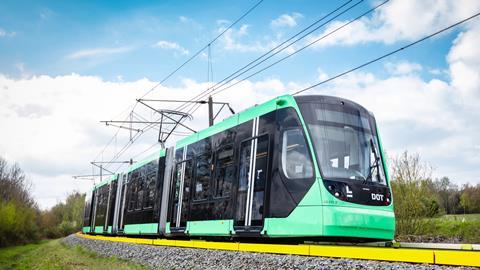
Siemens Mobility and Aarsleff Rail have delivered the full Greater Copenhagen Light Rail, connecting eight municipalities via a 28km route and a fleet of Avenio vehicles.
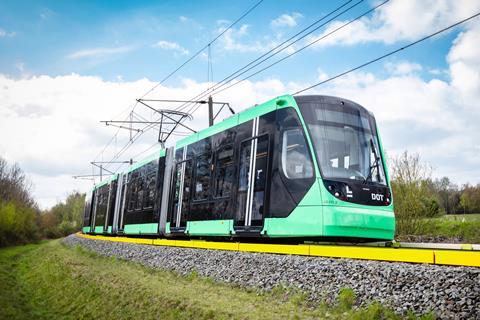
Siemens Mobility, working in consortium with infrastructure contractor Aarsleff Rail, has completed the full delivery of the Greater Copenhagen Light Rail, marking the entry into service of all 29 stations along the 28-kilometre route. The line runs from Ishøj in the south to Lundtofte, north of Lyngby, following the Ring 3 corridor through the Danish capital region.
The scheme forms a new cross-regional public transport connection, linking towns, workplaces, hospitals, educational institutions and major public transport interchanges across Greater Copenhagen. Siemens Mobility’s turnkey scope covered the supply of 29 Avenio light rail vehicles, electrification, signalling, communication systems, depot workshop equipment, project management, system integration and 15 years of ongoing maintenance support.
Fleet designed for accessibility
The Avenio fleet, each vehicle 36.9 metres long, can carry up to 260 passengers, including 64 seated, alongside flexible standing space and dedicated areas for bicycles, prams and wheelchairs. Step-free boarding and energy-efficient operation are intended to support an inclusive passenger experience, with vehicles able to run at speeds of up to 70 km/h.
Leon Soulier, CEO of the Turnkey Business Unit at Siemens Mobility, said the project reflected the company’s turnkey expertise. “With the full opening of the Greater Copenhagen Light Rail, we are proud to see Siemens Mobility’s turnkey expertise driving this revolutionary public transport project in Denmark. From delivering 29 innovative Avenio light rail vehicles to electrification, signalling, communications, system integration, depot equipment, and long-term maintenance, this light rail system offers a strategic improvement to daily mobility while making a clear commitment to sustainable transportation.”
The line initially opened in October 2025 with 12 stations in service; completion of the remaining 17 has now connected eight municipalities and integrated the network with six S-train interchanges. Delivery of the scheme relied on close, constructive collaboration between Siemens Mobility, Aarsleff Rail and Greater Copenhagen Light Rail, the public body overseeing the project. During a transition period of three to six months, services will run every five to eight minutes at peak times, settling to a ten-minute frequency in the evenings and on Sundays.
Operators expect the line to carry around 12,000 passengers a day, with annual ridership forecast to reach 14 million by 2030 as the route encourages a shift away from private car use in one of Denmark’s busiest and most congested areas.

No comments yet