
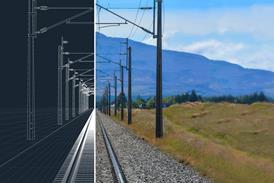
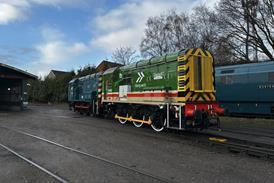
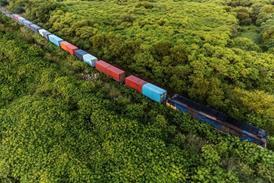
Design work starts on key Lithuanian section as Rail Baltica project advances integration of European and broad gauge networks in urban environment.
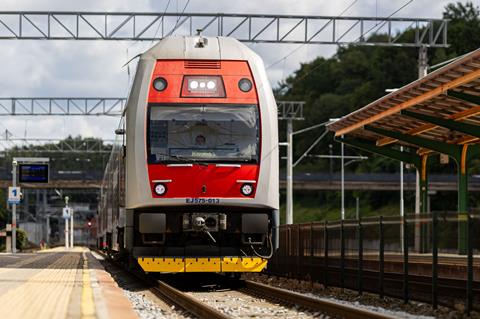
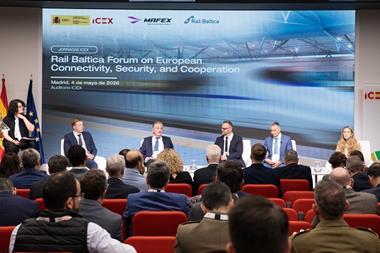
LTG Infra has begun design work on the Kaunas Node, a critical and complex section of the wider Rail Baltica corridor linking Poland and Latvia.
The Kaunas Node represents one of the most technically demanding parts of the project, combining dense urban conditions with significant engineering requirements. Located at the intersection of European standard gauge and legacy broad gauge systems, the section requires careful integration of two different railway standards.
Strategic infrastructure and integration challenges
The project will include major infrastructure developments such as upgrades to Palemonas Railway Station, expansion of the Palemonas Intermodal Terminal and construction of a bridge near the Kaunas Hydroelectric Power Plant. These elements must be coordinated with existing roads, utilities and surrounding urban environments.
In addition to engineering complexity, the project must comply with European Union TEN T standards, ensuring interoperability and alignment with wider European rail development objectives.
Vytis Žalimas of LTG Infra said the organisation’s design division is using a hybrid delivery model, combining internal expertise with external partners through open tenders to accelerate progress in complex environments.
The establishment of the Rail Baltica Design Division has also strengthened Lithuania’s in house capabilities in high speed rail design, supporting long term infrastructure development both domestically and across Europe.
Mykolas Dumbrava noted that Kaunas will become a major logistics and passenger hub once the line is operational, with expected passenger volumes significantly exceeding current levels.
Building future engineering capability
Alongside infrastructure delivery, LTG Infra is investing in workforce development through initiatives such as the Engineering Class programme. This aims to encourage young people to pursue careers in engineering and infrastructure, addressing declining enrolment in STEM subjects.
The programme also seeks to attract experienced professionals back to Lithuania, supporting the growth of domestic expertise in high speed rail design and delivery.


No comments yet