

Major contracts have been signed to restore passenger rail services between Portishead, Pill and Bristol for the first time since 1964.
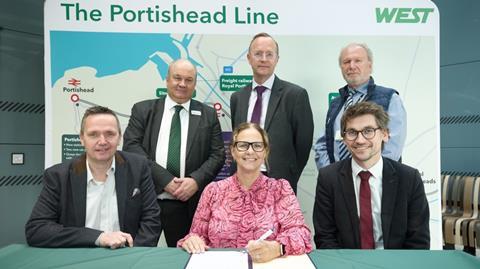
Major contracts have been signed to begin full construction of the long awaited Portishead rail line restoration project, reconnecting communities in North Somerset to the railway network for the first time in more than 60 years.
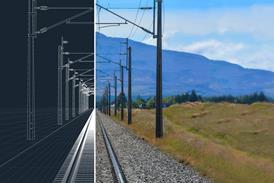
The £200 million project will deliver two new stations at Portishead and Pill, relay three miles of track and introduce modern rail infrastructure between Portishead and Bristol Temple Meads.
New stations and digital signalling to reconnect Portishead rail corridor
Morgan Sindall Infrastructure will lead construction and highway improvements, while Colas Rail will design and install a new digital signalling system. AmcoGiffen will oversee bridge refurbishment and associated highway works.
The project is being funded by the Department for Transport, the West of England Mayoral Combined Authority and North Somerset Council, with delivery managed by Network Rail.
Passenger services are expected to begin during winter 2028/29, reconnecting more than 50,000 people to the railway network after the line closed to passengers in 1964.
Journey times between Portishead and Bristol Temple Meads are expected to take around 25 minutes, approximately half current road journey times.
Marcus Jones of Network Rail said: “With these contracts now signed, we’re moving from years of planning into full delivery.”
He added: “This project will reconnect more than 50,000 people to the rail network for the first time in decades.”
Helen Godwin, Mayor of the West of England, described the project as “an historic moment for Portishead, Pill and the whole of the West of England”.
She said the investment would improve regional connectivity, support housing development and reduce congestion by encouraging more sustainable travel.
Mark Hopwood of Great Western Railway said: “This isn’t just about trains and track – it is about reconnecting people to rail and providing a vital economic catalyst across the region.”
The project is forecast to generate around £43 million in economic growth each year once complete and forms part of wider plans to strengthen rail connectivity across the south west of England.







No comments yet