

PKP Group and Polish State Railways SA have adopted a new strategy focused on passenger growth, freight expansion, cybersecurity and sustainable rail development through to 2030.
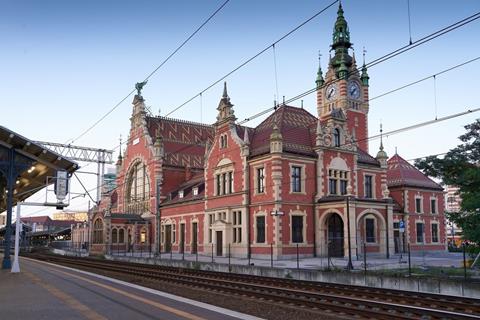
PKP Group and Polskie Koleje Państwowe SA have adopted new strategic documents setting out development priorities for 2026 to 2030, defining the future direction of rail in Poland across passenger, freight and infrastructure operations.
The strategy positions PKP SA as the holding coordinator, responsible for setting long term objectives and overseeing subsidiaries in finance, investment and research and development. The management model is designed to strengthen coordination across the group while ensuring flexibility and faster responses to market and regulatory changes in Poland and the wider European rail sector.
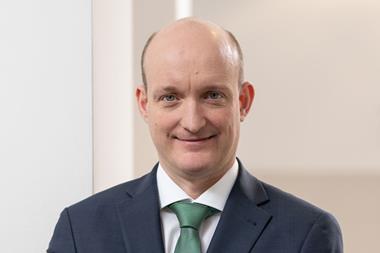
Alan Beroud, Chief Executive Officer of PKP SA and the PKP Group, said the 2026 to 2030 strategy reflects both the development ambitions of the organisation and the structural challenges facing rail. He highlighted opportunities including high speed rail development in Poland, new technologies, growing demand for environmentally friendly transport and the use of national and EU funding for rolling stock, infrastructure and military mobility projects.
Customer service and passenger transport form a central pillar of the strategy. By 2030, the PKP Group aims to strengthen its market position and raise service standards through improved comfort, punctuality and network availability. PKP SA will intensify station investments, including new facilities and the revitalisation of historic buildings under the Station Investment Programme and the Passenger Friendly Stations Programme.
Station services will be standardised with a focus on safety, passenger information, support for people with reduced mobility and improved retail and service provision. Integration of local passenger information systems with infrastructure managed by PKP Polskie Linie Kolejowe is planned, alongside enhanced digital tools for journey planning and ticketing. PKP SA also intends to develop additional station services, including car parks, electric vehicle charging points, car wash facilities and universal ticket machines.
Dariusz Grajda, Vice President of the Management Board of PKP SA, stated that the strategy is based on four priorities: customer service, business efficiency, group management and rail sector consolidation. Digitisation, ESG transformation and closer cooperation with other transport entities will underpin delivery.
Passenger operator PKP Intercity will expand domestic and international routes while investing in modern rolling stock and improved punctuality. The company plans to increase carriage numbers and gradually phase out lower quality TLK category trains. Performance will be assessed through operational indicators and regular social surveys.
In freight, the group aims to expand logistics and intermodal services, including door to door rail solutions and the integration of terminal and forwarding operations. PKP Cargo is targeting retention of its leading market position through restructuring, liquidity stabilisation and improved profitability. Investment will focus on new and modernised infrastructure such as transhipment terminals, sidings and technical facilities, alongside digital route optimisation and automated traffic planning.
PKP LHS will continue to manage the Hrubieszów Sławków broad gauge line and may play a strategic role in freight flows linked to Ukraine’s reconstruction in the longer term.
Security and cybersecurity are also prioritised, reflecting the PKP Group’s role as part of Poland’s critical infrastructure. Plans include strengthening cooperation with state authorities, developing evacuation and logistics facilities and expanding the Railway Cybersecurity Centre to implement a unified IT security policy and counter cyber threats.
Sustainability measures include low and zero emission technologies such as hydrogen and synthetic fuels, eco friendly refrigerants and advanced energy management systems. PKP SA will focus on energy efficient buildings, renewable energy installations, green power procurement and circular economy principles, alongside ESG ratings and building certification.
Structural adjustments are envisaged, including localisation of PKP SKM in the Tricity area and the divestment of PKP TELKOL shares to PKP PLK. Other subsidiaries will develop new products, with WARS exploring hotel, conference and catering services. PKP SA also proposes public funding mechanisms to support station maintenance amid rising costs.
Internationally, PKP SA will represent the group in shaping EU rail policy and securing funding for strategic Polish projects, while strengthening cooperation with Ukrainian railways to enhance cross border infrastructure and freight capacity.