Amtrak will standardise its long distance fleet with new single level trains, aiming to reduce risk, widen supplier competition and accelerate replacement of ageing rolling stock.
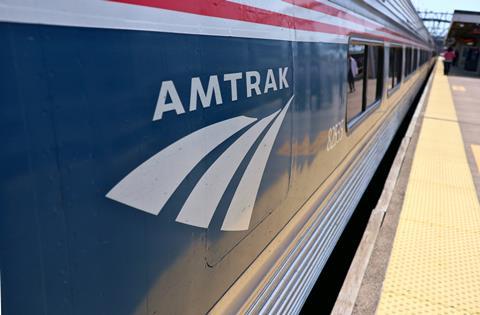
Amtrak has announced a revised long-distance fleet replacement strategy that will see all routes transition to a universal single-level fleet, replacing today’s mix of bi-level and single-level rolling stock.
The decision follows a comprehensive evaluation of operational and procurement risks linked to maintaining a hybrid fleet. It also reflects industry feedback received during the previous request for proposals for new bi-level trains and findings from a joint review with the Federal Railroad Administration.
This new approach will deliver a more consistent and accessible customer experience across the Amtrak network while maintaining our commitment to introduce the first new long-distance cars in the early 2030s.”
Under the updated plan, Amtrak will cancel the bi-level procurement and soon issue a formal request for suppliers to bid on a new long-distance fleet contract. The aim is to broaden competition among potential car builders, reduce programme risk and accelerate the delivery of replacement vehicles.
Standardisation and risk reduction for ageing trains
By moving to a single-level platform across its long-distance network, Amtrak expects to deliver a more consistent and accessible passenger experience while simplifying maintenance, training and operational processes. Fleet standardisation is also intended to strengthen supply chain resilience and improve lifecycle cost management.
Amtrak President Roger Harris said the new approach would maintain the commitment to introduce the first new long-distance cars in the early 2030s, while improving efficiency and oversight. He added that collaboration with federal partners has enabled the programme to move forward more effectively than originally planned.
Many of Amtrak’s current long-distance railcars entered service more than 40 years ago. The operator will continue assessing the condition and remaining service life of the existing fleet and determine any life extension measures required to ensure safe and reliable operations until the new trains enter service.
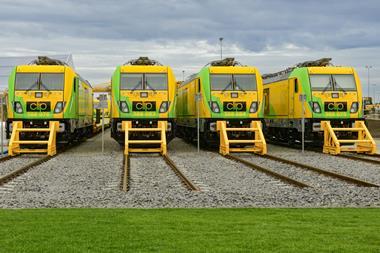
The long-distance fleet replacement forms part of a wider system-wide modernisation programme. Amtrak is continuing to take delivery of ALC 42 locomotives for long distance services, while its NextGen Acela trains entered service last year on the Northeast Corridor. The new Airo fleet is scheduled to begin service on Amtrak Cascades in 2026 before expanding to other short and mid-distance routes.